EMERGENCY PREPAREDNESS
Emergencies and natural disasters are unpredictable and can happen anywhere, including at home, school, or work. The Pennsylvania Emergency Management Agency (PEMA) identifies PA’s top three threats as floods, fires, and winter storms.
Not sure what to do for emergency preparation? Follow these safety tips with your family to better prepare for emergencies and natural disasters across the Commonwealth.
Safety Tips
Floods can happen anywhere at any time. In Pennsylvania, flooding can be caused by heavy rainfall/tropical systems, rising rivers, dam or levee breaks, snow melt, ice, or debris jams.
Ensure each adult in your household has at least two ways to get reliable emergency alerts. If flooding is in your forecast, monitor weather updates and change travel plans, if needed.
Learn about the emergency plans that have been established in your area by contacting your county’s emergency management agency or EMA coordinator.
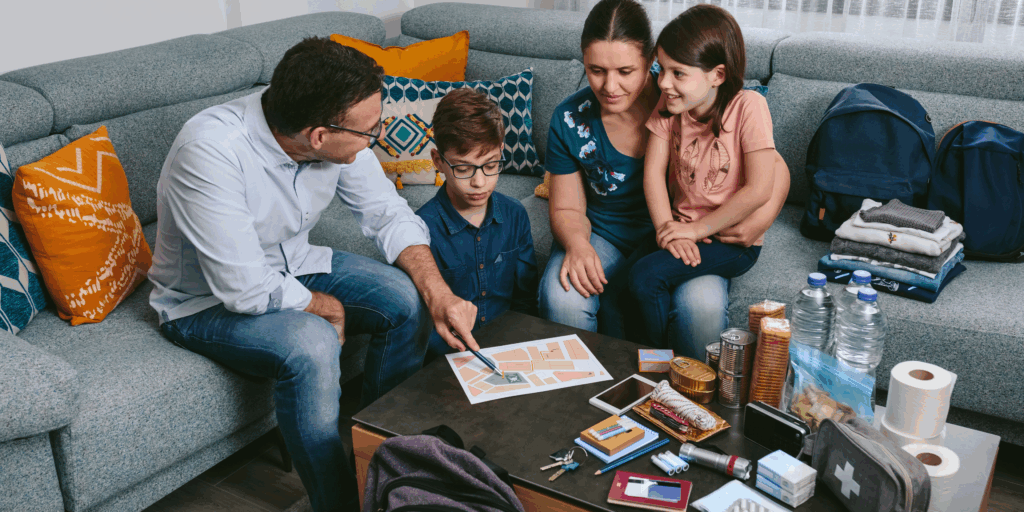
Make a plan for your household so that you and your family know what to do, where to go, and what you will need to protect yourselves from flooding. Be sure to consider the specific needs of children, people with disabilities, older adults, and pets in your home. Remember to learn and practice your household’s evacuation route, shelter plan, and flash flood response with your entire family.
Gather emergency supplies, including non-perishable foods, first aid supplies, and water for several days for each person, in case your family has to evacuate immediately or if services are cut off in your area.
Have an attic? Put an ax up there that is safely out of reach and sight of children. A lesser-known tip from rescuers, this is helpful if your home is flooded and you must wait for rescue on your roof.
If you are already on the road and come across flooding, remember to turn around, don’t drown. Flooded roadways can hide dangers like swift strong currents and washed away roads. Vehicles are easily swept away in these situations.
A small fire can grow deadly within one or two minutes. To help prevent a tragedy, install smoke alarms on every level of your home, in the kitchen, and in every sleeping area. Always replace smoke alarms according to the manufacturer’s expiration date and test your alarms twice a month to ensure they are working properly.
Show your children how to call the fire department or 911 and practice the basic information needed for first responders during an emergency.
Teach your children that if they are alone during a fire, they should never go back into that home or building for loved ones, pets, or toys. Instead, teach them to go to a neighbor’s house and/or use a cell phone outside to call 911 immediately.
Create and practice a home fire escape plan that is specific to your household’s needs. Be sure to consider the specific needs of children, people with disabilities, older adults, and pets in your home. Designate two escape options in case of a fire as well as an outside meeting place, so all members of your household can be accounted for quickly.
Demonstrate to your children that, during a fire, they should touch doors with the back of their hand before opening them. If the door is hot, use an alternative exit, and if their clothes catch on fire to immediately stop, drop, and roll back and forth quickly to extinguish the flames.
Winter Storm Safety Preparedness
The National Weather Service calls winter storms “deceptive killers” because most threats are indirectly related to the storm. Safe Kids PA joins PEMA’s Ready PA in recommending Pennsylvanians avoid travel during winter weather, if possible.
Always listen to travel advisories before driving on the road. Check com for up-to-date road conditions and travel information.
If you must travel, remove the snow or ice from your car (including the roof), drive slower than you normally would, and be aware of other drivers around you. Remember to keep your gas tank at least half full and inform someone of the route you are taking to get to your destination.
Keep a car emergency travel kit that includes, but is not limited to: non-perishable food, water, flashlight, batteries, jumper cables, cell phone, portable charger, snow shovel, ice scraper, sand or kitty litter, first aid supplies, extra clothing, blankets, medication, and baby supplies if applicable.
Always wear your seatbelt (and enforce that rule to others), drive responsibly with no distractions, and make sure any car seat you have is properly installed.
Remember that car seats and winter coats do not mix. Use your child’s puffy coat as a blanket on top of the properly secured harness to keep them safely strapped in.
Learn More
Pennsylvania Emergency Preparedness Guide
Common Hazards in Pennsylvania
Ready PA Family Emergency Plan
Ready PA Emergency Supply List
Ready PA on Knowing How & When to Contact 911
Sign Up for Pennsylvania Emergency Alerts
National Fire Protection Association: Fire Prevention Happens All Year Long
Children’s National Emergency Preparedness for Children with Special Health Care Needs